Harnessing the Power of Journaling for Stress Relief
Uncover the transformative potential of journaling as a stress management tool. Discover straightforward methods to seamlessly weave this practice into your daily life for improved mental clarity.
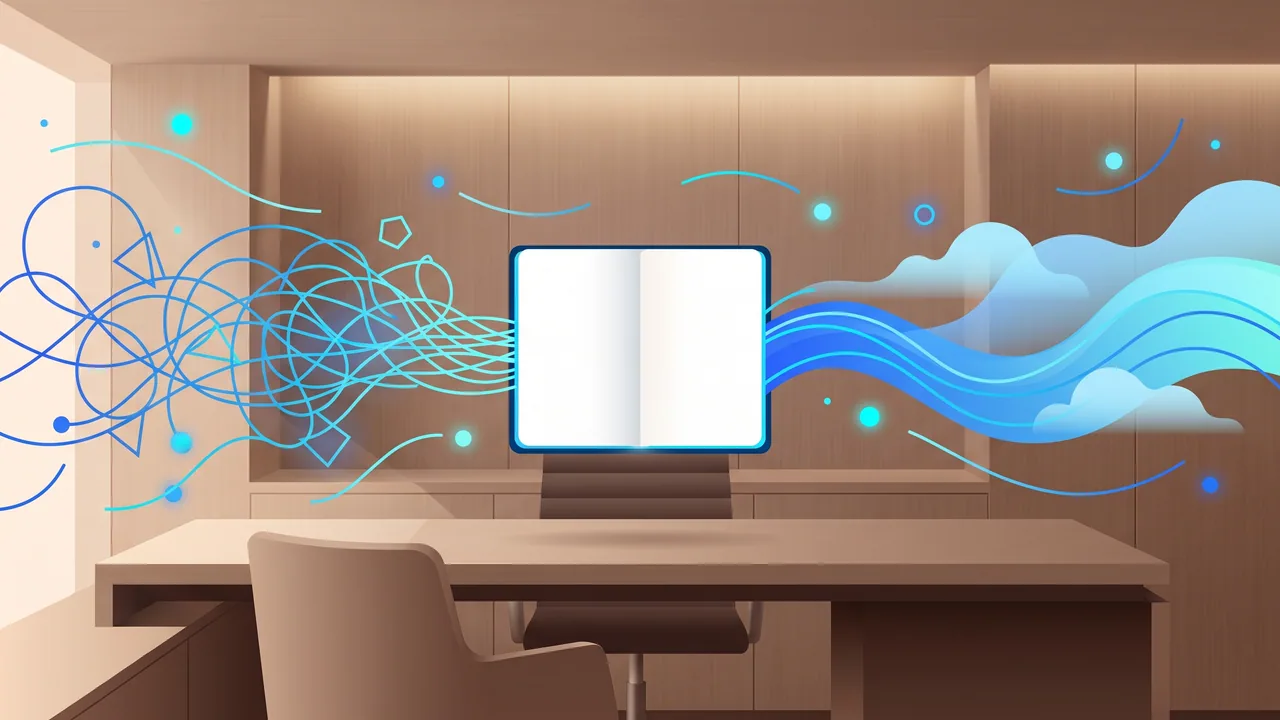
Comprehending the Advantages of Journaling
Journaling extends beyond mere writing; it serves as a therapeutic outlet that aids in untangling thoughts and emotions. Engaging in this practice regularly can alleviate stress and enhance overall mental health.
Evidence indicates that expressive writing can elevate mood and reduce anxiety. By articulating your thoughts, you establish a secure environment to delve into your feelings without judgement.
Initiating Your Journaling Journey
Beginning a journal may seem overwhelming, but it need not be intricate. Start with just a few minutes each day. Here are some straightforward steps:
- Select Your Format: Determine whether you prefer a traditional notebook or a digital platform. Choose what feels most comfortable for you.
- Designate a Time: Allocate a specific time each day for writing. This could be in the morning with your tea or in the evening as you relax.
- Begin Small: If unsure about what to write, start with a single sentence regarding your day or your emotions. Over time, this will become more natural.
Proven Journaling Techniques
There are several methods you can employ to enhance journaling as an effective tool for stress relief. Here are a few to explore:
- Gratitude Journaling: Each day, record three things for which you are grateful. This practice shifts your focus from stressors to positive elements in your life.
- Stream of Consciousness: Write continuously for a set period (e.g., 10 minutes) without concern for grammar or punctuation. This assists in releasing pent-up emotions.
- Prompt Journaling: Use prompts like “What is bothering me today?” or “What brings me joy?” to inspire your reflections.
Establishing a Relaxing Environment
Your journaling experience can be enriched by creating a soothing atmosphere. Consider the following:
- Find a Tranquil Spot: Select a location where you feel at ease and won't be interrupted. This could be a snug corner of your home or a serene park.
- Add Comforts: Introduce elements that promote relaxation, such as a cup of herbal tea, soft music, or scented candles.
Reflecting on Your Writings
After journaling, take time to reflect on your entries. This can deepen your comprehension of your emotions. Here are ways to reflect:
- Review Past Entries: Occasionally revisit your earlier writings to observe patterns in your thoughts and feelings. This can provide insight and help identify triggers.
- Set Personal Goals: Use your reflections to establish small, achievable objectives for managing stress. For example, if you notice recurring themes, contemplate strategies to address them.
Journaling is a personal exploration, and there’s no right or wrong approach. Grant yourself the liberty to explore and express your thoughts. With consistent practice, it can evolve into a powerful resource for stress relief, aiding you in navigating life’s challenges with enhanced clarity and ease.
In need of a listening ear?
CalmCall offers a warm, judgement-free space to discuss your thoughts at any time — completely confidential.